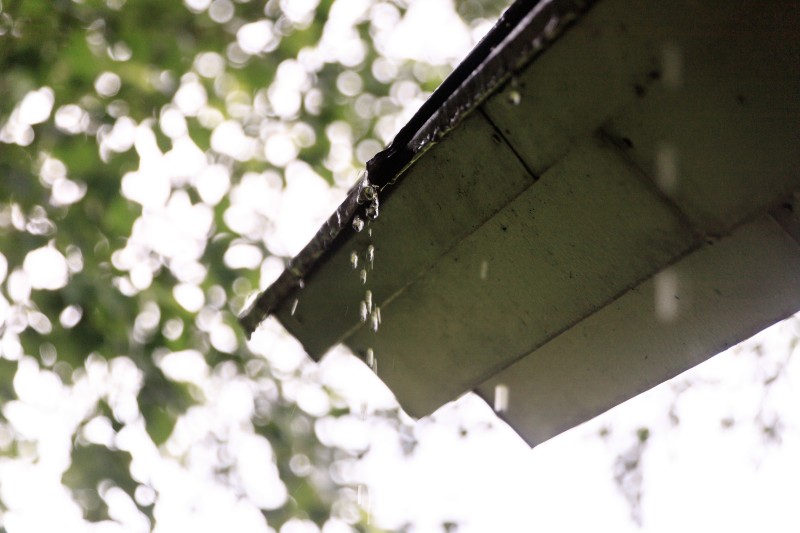
During a heavy rain, water runs down every slope of your roof to the edge, where it drops into the gutters and flows away from the house. Storm after storm, that water leaves along the lowest few inches of the roof, over a piece of metal tucked beneath the bottom row of shingles.
That piece is the roof drip edge, and it handles a surprising amount of work for a thin strip of metal. So let’s get into what it does for your home and why every roof needs one.
What Is a Roof Drip Edge?
A drip edge is a strip of bent metal flashing installed along the eaves, the lower horizontal edges of your roof, and the rakes, the sloped edges along each gable. One side lies flat on the roof deck beneath the shingles. The other bends down over the fascia, the trim board along your roofline, and ends in a lip just past the wood. Like the roof flashing around your chimney and vents, it steers water away from a spot where it could slip inside.
How a Drip Edge Works With Other Roofing Components
Every layer along your roof’s edge goes on in a set order, and the drip edge has a fixed place in it. At the eaves, the metal goes down first, and the underlayment, the waterproof layer covering the roof deck, laps over it, so any water that slips beneath the shingles will drain off the roof.
At the rakes, that order flips. The shingles then overhang the metal by a small margin. During a professional drip edge installation, the installer follows that sequence on every edge, because a piece set out of order will channel water behind the metal.
Different Types of Drip Edge
Drip edge comes in a few profiles, and suppliers don’t always use the same names for them, so a quote might list a letter instead of a style. Your shingle manufacturer’s installation instructions will determine which profile belongs on your roof, and these are the three you’ll hear about most:
L-Style Drip Edge
L-style drip edge is the simplest shape, with one flange lying on the roof deck and the other bending straight down at a 90-degree angle. That clean bend makes it easy to form and fit, which keeps it among the least expensive options.
T-Style Drip Edge
T-style drip edge adds a lower flange that kicks outward, away from the fascia, along with a hemmed edge that stiffens the metal. That kick holds water farther off the wood, and the Asphalt Roofing Manufacturers Association recommends an outward-bent flange for exactly that reason.
F-Style Drip Edge
F-style drip edge has a longer face that goes farther down and out from the roof’s edge. That extended leg clears trim a shorter profile might catch on, and along eaves with gutters, roofers rely on it when they want runoff to land inside the gutter rather than behind it.
Why a Roof Drip Edge Is Essential
Here’s what a properly installed drip edge does for the rest of your home:
Directing Water Away From the Roof Edge
As rain runs off your shingles, surface tension pulls some of it backward along the underside of the roof edge, toward the deck. The lower lip of a drip edge gives that water a place to break away, so it drops clear of the fascia. That one bend in the metal is among the most cost-effective water-damage prevention at the roof edge.
Roof Edge Protection for Fascia, Decking, and Gutters
When a roof has no drip edge, water can wick behind the gutter and soak into the fascia and the edge of the roof deck. Through a long, wet Pacific Northwest winter, that wood isn’t going to get much of a chance to dry. Once the fascia softens, it won’t hold the hangers keeping your gutters in place, and they’ll start to sag and pull away. That same open gap will let wind-driven rain and pests like wasps, rodents, and birds slip under the first row of shingles, and a drip edge closes it off.
Building Code Requirements for Modern Roofs
The International Residential Code has required a drip edge along the eaves and rakes of asphalt shingle roofs since 2012. Oregon’s residential code has the same language, calling for sections that overlap by at least two inches and metal that extends at least a quarter inch below the roof deck. Some shingle manufacturers ask for even more, and GAF requires a drip edge at the eaves to qualify for its Silver Pledge and Golden Pledge warranties.
So when you’re comparing quotes for a roof replacement, ask whether each one covers both the eaves and the rakes.
Risks of a Roof Without Proper Drip Edge Protection
Even a drip edge that’s already on your roof will let water through if it wasn’t installed correctly. Short overlaps are going to leave seams for runoff to slip between, and underlayment laid in the wrong order will drain water behind the metal. Shingles hanging too far past the drip edge can also crack with nothing beneath them.
From the ground, look along your eaves for sections that have lifted, drifted out of line, or started to rust, then check the fascia behind them for soft spots. Your regular residential roof maintenance visits are an ideal time to catch these problems early.
Gresham Roofing Builds Roof Edges to Last
A drip edge protects your home only as well as the deck beneath it and the layers around it. Here at Gresham Roofing, our roof replacement services include a new drip edge along your eaves and rakes, and we’ll repair any soft decking before the new metal and shingles go down. Our family has been roofing homes across Gresham and the Portland metro since 1968, and our certifications with manufacturers like GAF and Owens Corning mean we follow their approved installation methods on every roof.
When it’s time for a new roof, we’d be glad to show you how every layer will come together. Contact us today to request your free estimate.
Roof Drip Edge – Frequently Asked Questions
Is a Drip Edge Required by Code?
Yes, for asphalt shingle roofs. Oregon’s residential code follows the International Residential Code, which indicates that a metal drip edge needs to be along every eave and rake. Cities can adopt code editions on their own schedules, though, so your local building department will be able to confirm which one applies to your address.
What’s the Difference Between Drip Edge and Gutter Apron?
A gutter apron is a longer-legged type of drip edge made for eaves with gutters. Its extended face hangs over the back of the gutter and feeds water directly into it. A standard drip edge kicks water off the fascia. Plenty of roofs use both, so it’s worth asking which one your quote includes.
What Happens if a Roof Doesn’t Have a Drip Edge?
Rainwater can curl back under the shingle edge and soak the fascia and roof deck, and that damage may stay hidden until paint peels or a gutter loosens. Adding a drip edge means lifting the shingles along the edge, which is why we recommend taking care of it during a roof replacement.
What Is Drip Edge Made Of?
Most drip edge is aluminum, galvanized steel, or copper. Aluminum won’t rust and holds up well in wet climates; galvanized steel is stiffer but can corrode once its coating wears down; and copper lasts a long time at a higher price. Your roofer will recommend the metal that best fits your home and your budget.