Oregon’s heavy rains and strong winds can hit your home hard, and its roof will take the biggest beating during these weather events. Knowing what to look for after a storm and how to respond can save you thousands of dollars in repairs. Many homeowners don’t realize their roof has storm damage until it’s too late. But this guide can help you stay ahead of costly situations. Let’s explore the most common types of roof storm damage, how to tell if your roof has been impacted, and what you should do to stay safe and dry.
Common Types of Storm Damage in Oregon
Oregon’s weather is unpredictable, so you must understand the roof storm damage possibilities from:
Wind Damage
Strong winds are among the biggest threats to roofs in Oregon. Wind speeds of 50 miles per hour or higher can lift and tear shingles off a roof, while even moderate winds can loosen them. Wind damage often starts at a roof’s edges, with the corners and eaves being most at risk. Once a few shingles come loose, the wind can get underneath and cause more roof damage.
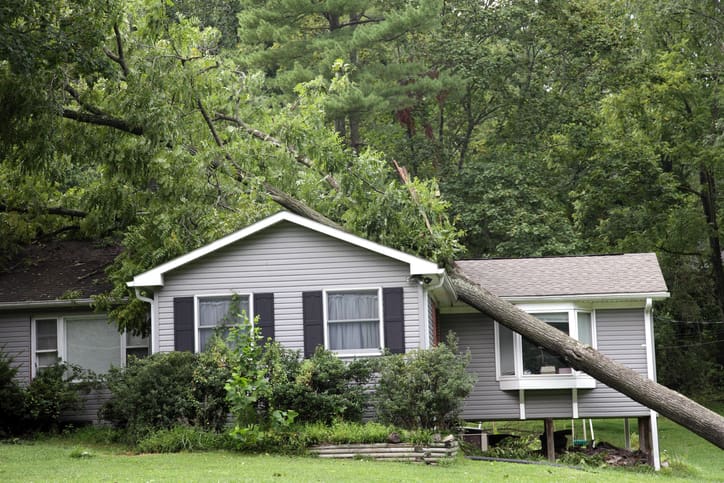
Tree branches can also become dangerous during windstorms. They can scrape against your roof or fall and puncture the surface. Wind damage roof repair requires immediate attention to prevent water from getting inside the home.
Rain and Moisture Intrusion
Oregon gets plenty of rain throughout the year. While your roof is designed to handle normal rainfall, heavy storms may overwhelm your roofing system, allowing water to seep through small cracks or gaps. Clogged gutters make rain damage worse. When water can’t drain properly, it backs up and can get under your shingles, leading to rot and potential leaks inside your home.
Snow and Ice
Winter storms bring their own challenges. Heavy snow puts extra weight on your roof structure. Additionally, ice dams can form when snow melts and refreezes at the edge of your roof. These ice formations block proper drainage and force water back under your shingles.
Hail
Hailstorms can cause severe roof damage in a short amount of time. Even small hail can crack shingles and knock off protective granules. Roof hail damage might not be obvious right away, but it weakens your roof’s ability to protect your home.
Larger hailstones can dent metal roofing, gutters, and vents. They can also crack or puncture shingles completely. This type of roof storm damage often requires a full roof replacement.
How to Tell If Your Roof Has Storm Damage
Recognizing when you need roof repairs can help prevent minor issues from becoming significant ones. You should look for:
Missing, Curling, or Cracked Shingles
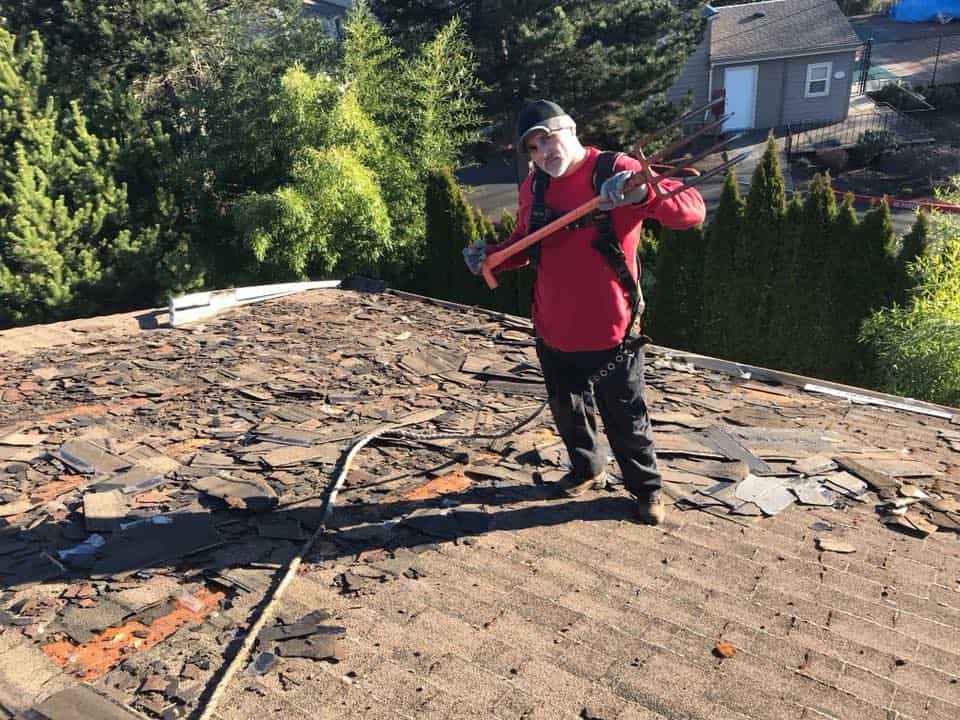
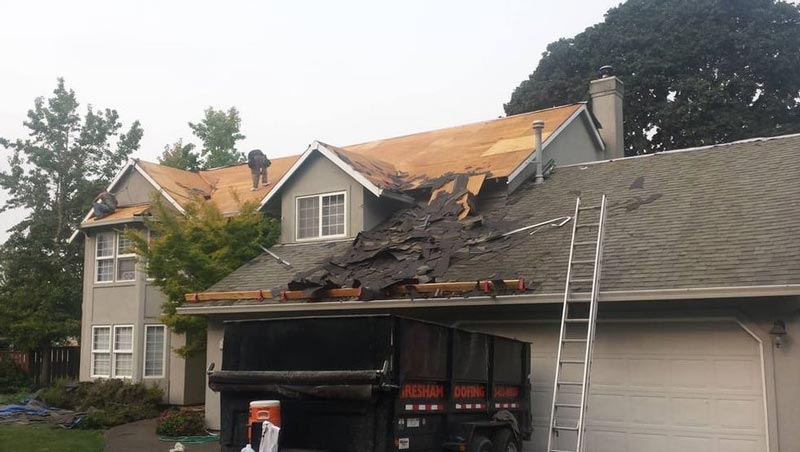
Walk around your property and look at your roof after any major storm. Missing shingles are easy to spot because you’ll see bare patches where they used to be. Curling shingles look like they’re peeling up at the edges, while cracked shingles may have visible splits or breaks.
Granule Loss
Asphalt shingles are covered with small granules that protect them from the sun and weather. After a storm, check your gutters for an unusual amount of these granules. Some granule loss is normal, but a lot of granules in your gutter could mean hail damage.
Sagging or Soft Spots on the Roof
Your roof should look straight and even. If you notice any sagging areas or spots that appear different, this could mean structural damage. Heavy snow or falling branches can cause the roof deck to weaken or break.
Water Stains on Ceilings or Walls
Inside your home, look for new water stains on ceilings or walls. Brown or yellow spots that weren’t there before the storm are clear signs of roof storm damage. Even small stains can indicate a leak that needs immediate attention.
Leaking Around Skylights, Vents, or Chimneys
These areas are common weak spots where water can enter your home. Check for water around these features during and after storms. The flashing around these areas can get damaged and need repair.
Dented Gutters or Downspouts
Hail and falling debris can dent your gutters and downspouts. While this might seem like a small problem, damaged gutters can’t properly direct water away from your home. This can lead to foundation problems and basement flooding.
Branches or Debris on the Roof
After a storm, remove any branches or debris from your roof as soon as it’s safe to do so. Even small branches can scratch shingles or poke holes in your roof.
What to Do After a Storm
It’s essential to know what you should do after a storm if your roof has sustained damage:
Perform a Visual Inspection
Start by walking around your home and looking at your roof from the ground. Use binoculars if you have them to get a closer look. But don’t climb on your roof. This is dangerous and should be left to professionals.
Document the Damage
Take photos of any damage you can see. Include pictures of your gutters, the ground around your home, and any debris. This documentation will be important for your insurance claim.
Contact a Local Roofing Professional
Have a qualified roofer inspect your roof after any major storm. Roofers can spot damage that you might miss and give you an accurate assessment of what repairs are necessary. They also know how to inspect roofs safely and can climb up to check areas you can’t see from the ground.
File an Insurance Claim
Contact your insurance company as soon as possible if you find storm damage. Most roof insurance claims have time limits. Your insurance adjuster must inspect the damage before approving repairs.
Contact Gresham Roofing and Construction for Storm Damage Roof Repair
Storm damage can create significant problems for your roof. Water damage may ruin insulation, cause mold growth, and weaken your property’s structure. If you notice issues at your Oregon home, rely on the professional roofers at Gresham Roofing and Construction to address them correctly and safely. We understand the region’s weather and how it affects roofs. Moreover, we have experience handling storm damage roof repairs and working with insurance companies. Contact us today to request an inspection and estimate.