What to Know: Roof Replacement Process in Gresham, OR
Getting a new roof is one of the most significant investments you will make as a property owner. It protects your family, your belongings, and the structural integrity of your home from the elements. However, the prospect of a complete replacement often brings a sense of unease. The noise, the presence of the crew on your property, and the financial commitment can feel overwhelming if you’re unsure of what to expect. At Gresham Roofing and Construction, we believe that transparency alleviates stress. When you understand precisely what is happening above your head, the project becomes much more manageable. Whether you are dealing with storm damage or simply an aging system that has reached the end of its lifespan, knowing the roadmap helps you plan your life around the construction. This guide breaks down the entire roof replacement process, enabling you to approach your project with confidence.
Why Knowing the Process Matters
Many homeowners simply hire a contractor and hope for the best, but taking an active interest in the workflow offers several advantages. First, it allows you to prepare your home and family. Roofing involves vibration and noise. Knowing the schedule helps you decide if you need to take pets to a daycare or move fragile items off wall shelves. Second, understanding the steps helps you identify a quality job. You will know if a crew is skipping essential safety measures or rushing through critical waterproofing stages. It empowers you to ask the right questions during the project, rather than discovering issues after the crew has left. Ultimately, being informed helps you manage your timeline effectively. You will know when materials will arrive, when the dumpster will be dropped off, and when you can expect your driveway to be clear again.
What Is Roof Replacement?
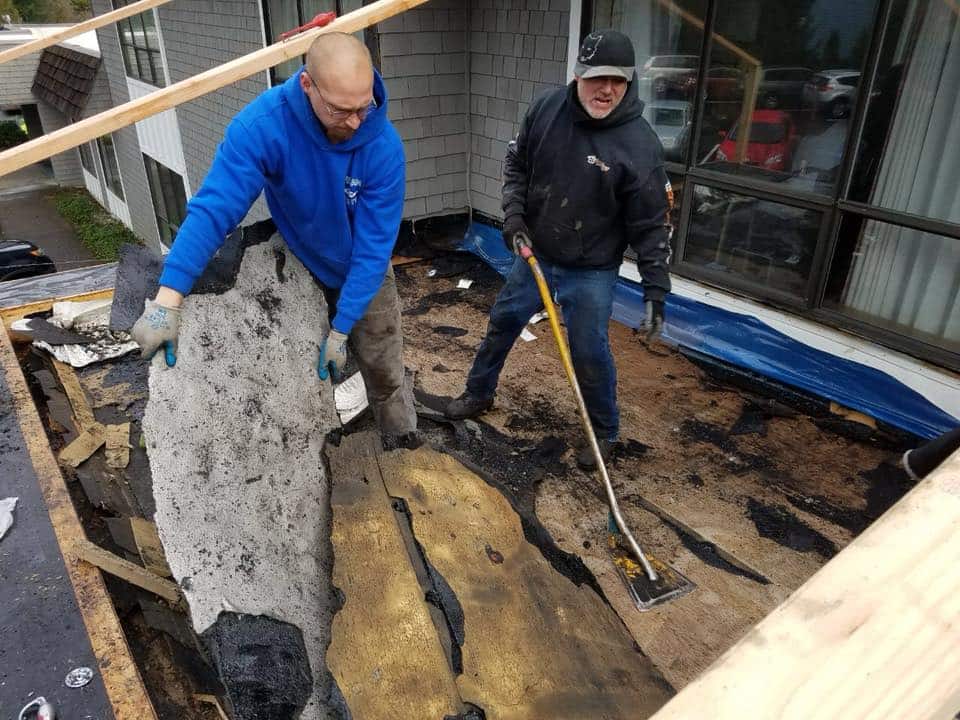
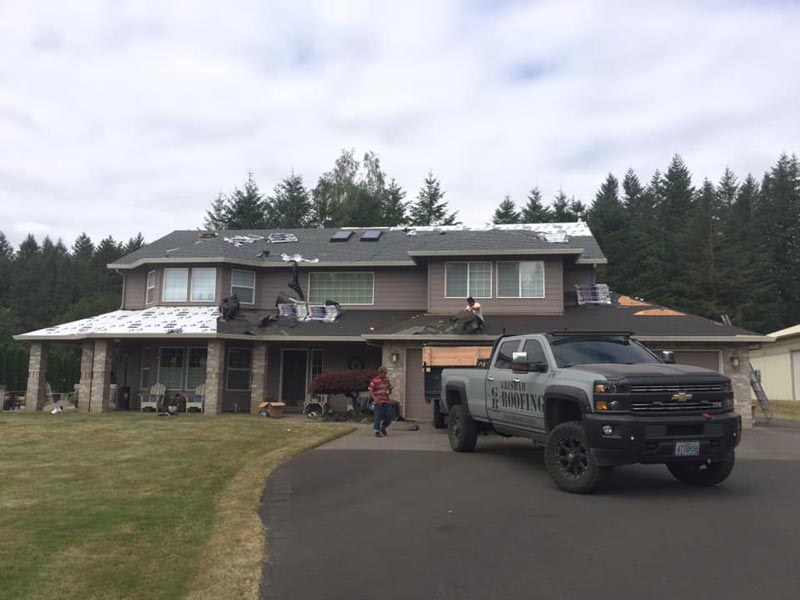
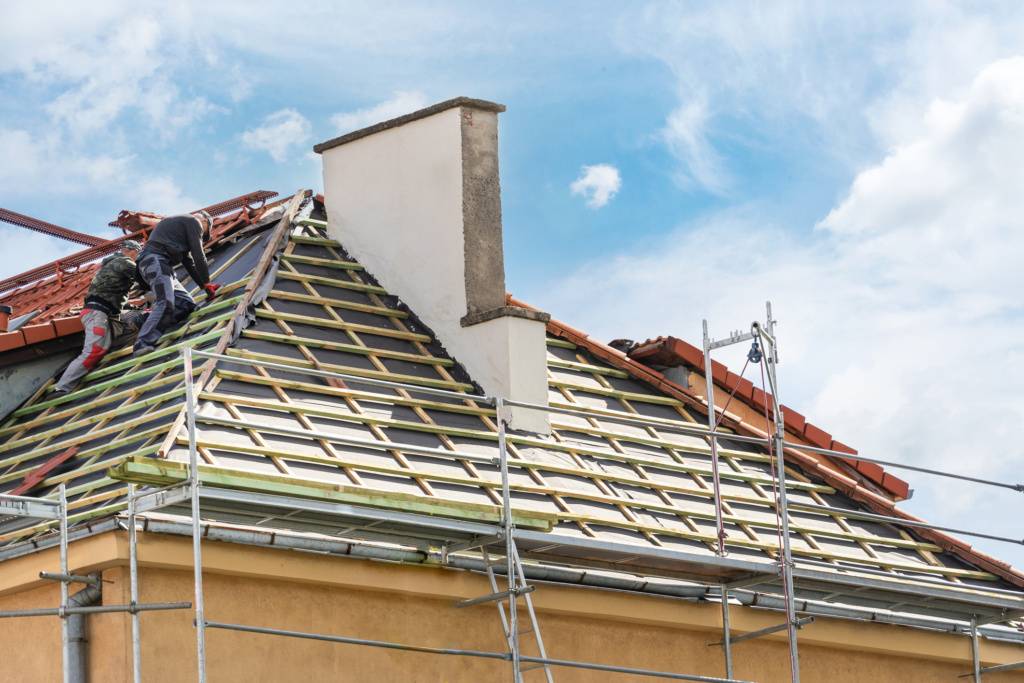
It is essential to distinguish between roof repair and a complete roof replacement. A repair fixes a specific leak or damaged area. A re-roofing job (often called an overlay) involves installing new shingles over the existing ones. While cheaper, an overlay can hide underlying structural rot and shorten the lifespan of the new materials. A complete roof replacement is a comprehensive overhaul. This process involves stripping the roof down to the deck (the wooden boards that make up the structure). This allows the roofing team to inspect the wood for water damage, which would otherwise be invisible. Once the deck is verified to be sound, the entire roofing system is rebuilt from the bottom up. This includes new underlayment, flashing, ventilation, and the surface material (like asphalt shingles or metal).
Steps in the Roof Replacement Process
While every project has unique challenges depending on the architecture and weather in Gresham, professional crews generally follow a strict sequence of events. Here is the standard timeline for a high-quality replacement.
- Inspect and Assess Roof: Before beginning any roof replacement project, a thorough inspection and assessment of the existing roof are crucial. This step identifies any underlying issues, such as leaks, damaged decking, or structural problems, ensuring these concerns are addressed before the new roof is installed.
- Obtain Permits: Roof replacement often requires proper permits to comply with local building codes. Licensed contractors handle this process, ensuring all necessary permissions are in place to avoid legal or safety issues during construction.
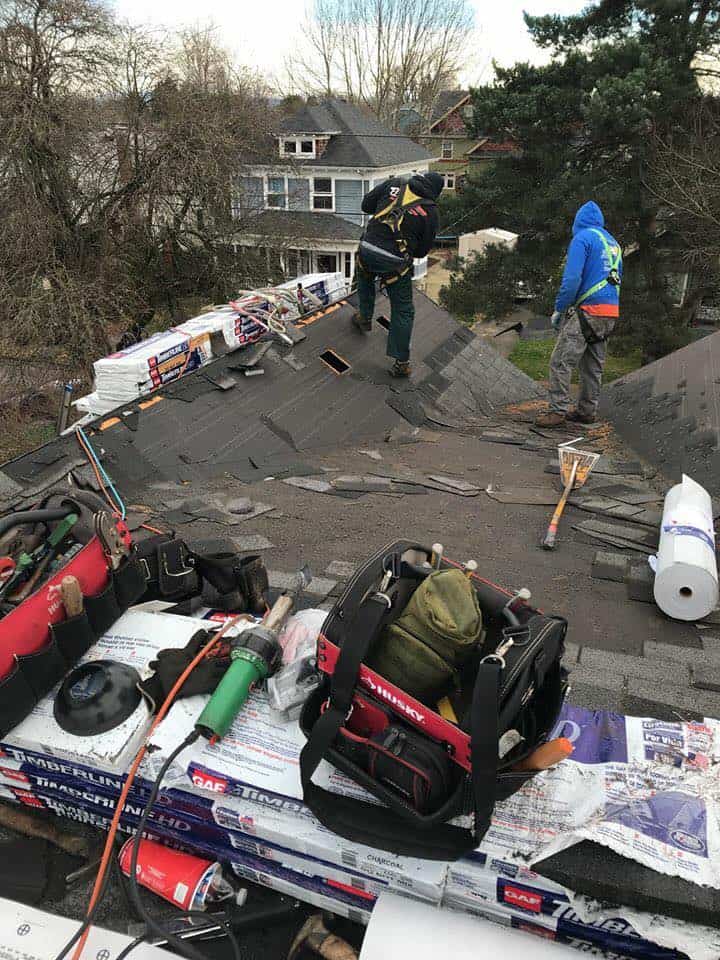
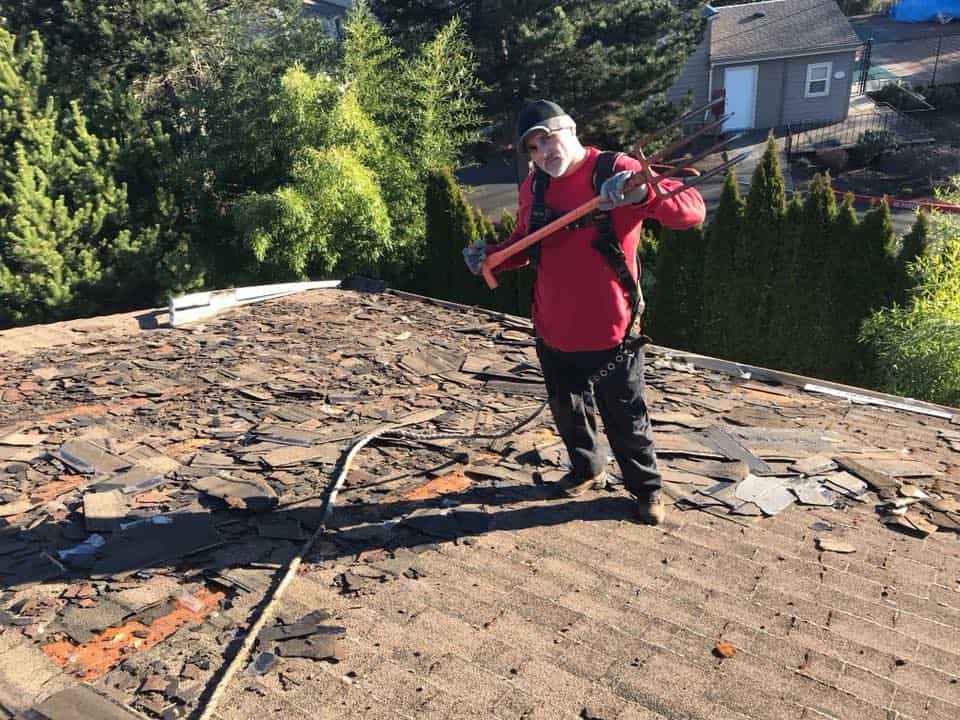
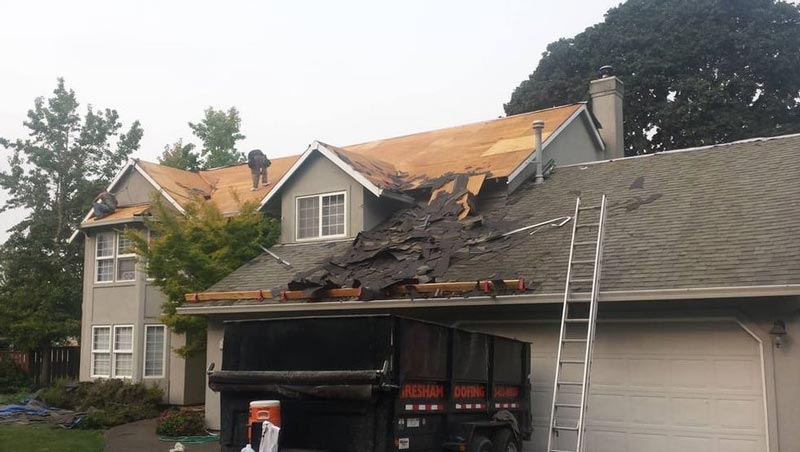
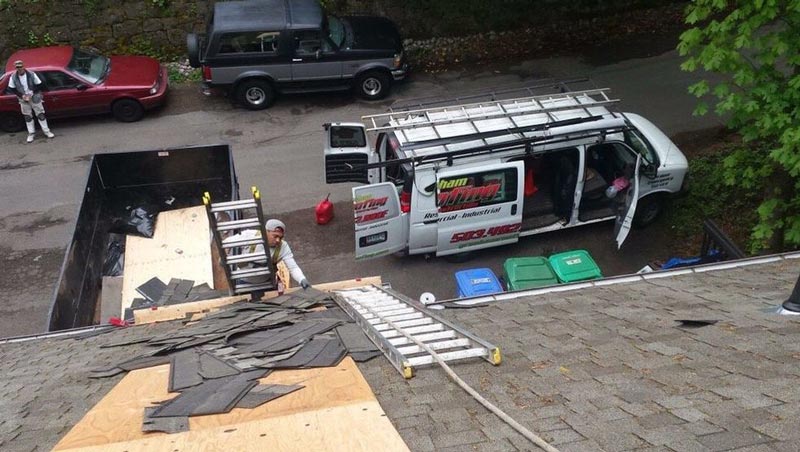
- Remove Old Roof: The removal process involves stripping away the old roofing materials, including shingles, flashing, and underlayment. This step clears the way to inspect the decking and make any necessary repairs to the roof’s foundation.
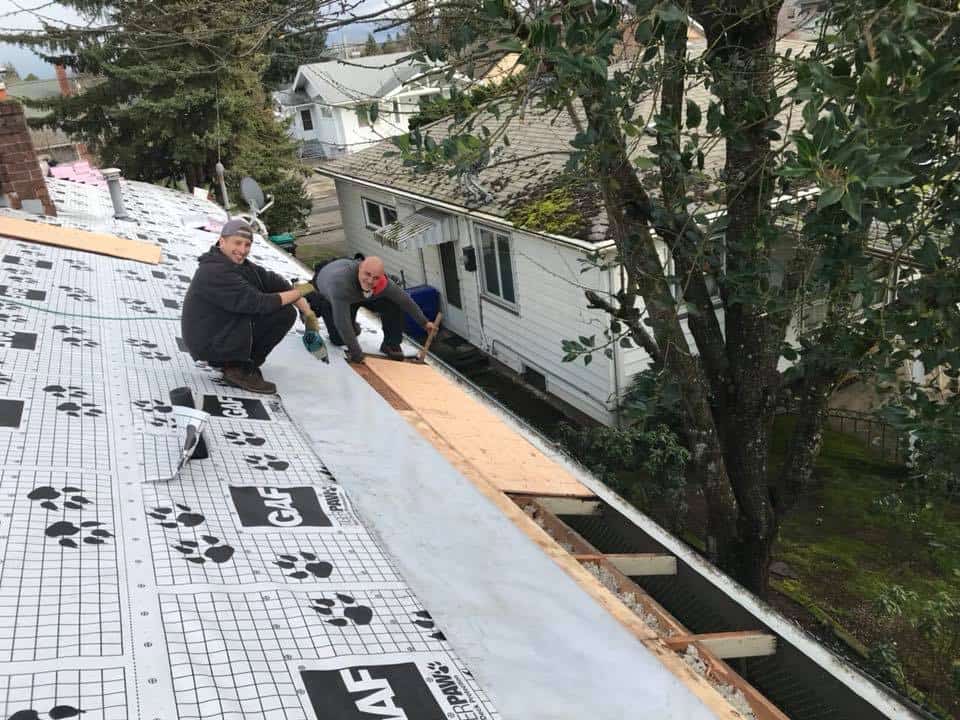
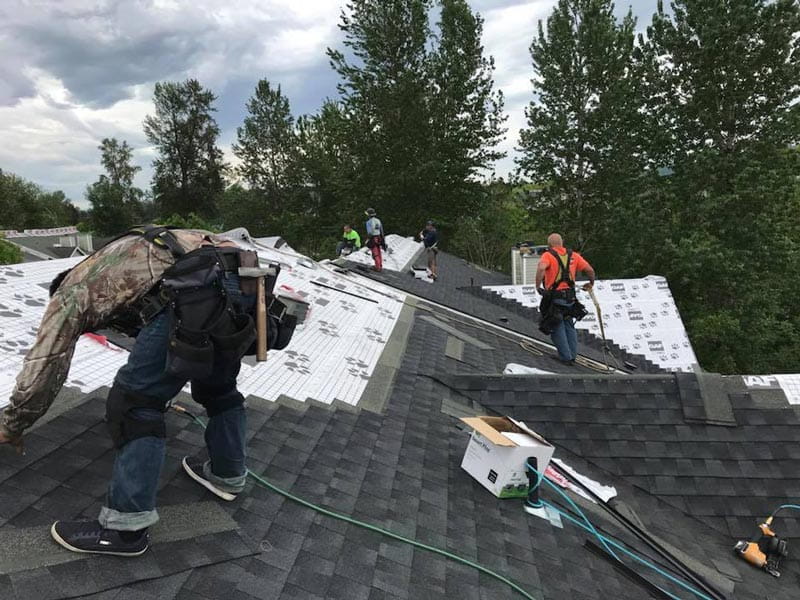
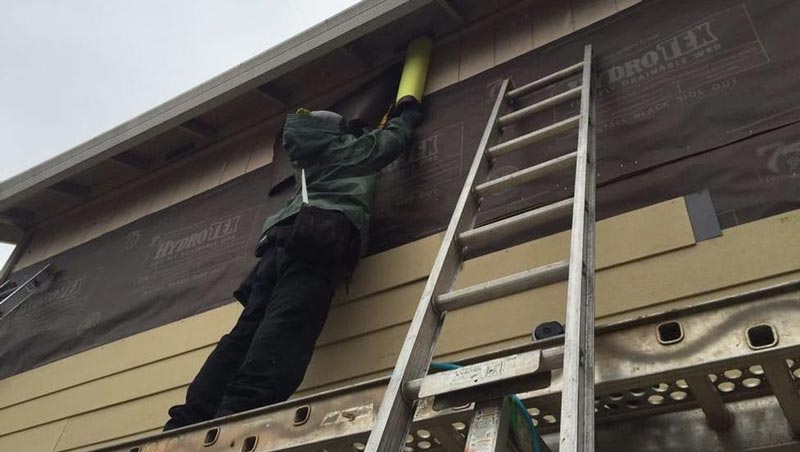
- Install New Underlayment and Materials: After preparing the roof deck, contractors install a high-quality underlayment to serve as an additional protective barrier against water infiltration. This layer works in conjunction with other materials, such as flashing, to provide a secure base for the new roof.
- Choose the Right Roofing: Selecting the right roofing material is a critical decision based on factors such as aesthetics, durability, and energy efficiency. Options include asphalt shingles, metal panels, or clay tiles, and the choice will significantly impact the longevity and appearance of your roof.
- Install the New Roof: With all preparations complete, the new roofing materials are carefully and professionally installed. Each layer is applied and secured according to the manufacturer’s specifications to guarantee a long-lasting, weather-resistant roof.
- Conduct a Final Inspection: Once the installation is complete, a detailed final inspection ensures every component of the new roof is installed correctly and fully functional. This step provides peace of mind that the roof will perform as expected under all conditions.
- Cleanup: After the work is completed, the crew performs a comprehensive site cleanup. They remove debris, nails, and other materials, leaving the property tidy and safe. A magnet sweep of the area ensures no metal fragments are left behind.
Residential vs. Commercial Roof Replacement
While the general concept of “repair and replace” applies to both residential and commercial projects, they differ significantly in execution and materials. Gresham Roofing and Construction is equipped to handle the unique complexities of both residential homes and commercial facilities. Learn more below about the differences.
- Residential Roofing:
- Structure: Typically involves steep-slope roofs.
- Materials: Most commonly uses asphalt shingles, though metal and tile are options.
- Timeline: usually completed in 1 to 3 days, depending on the size of the home.
- Focus: Aesthetics (curb appeal) and family safety are top priorities.
- Commercial Roofing
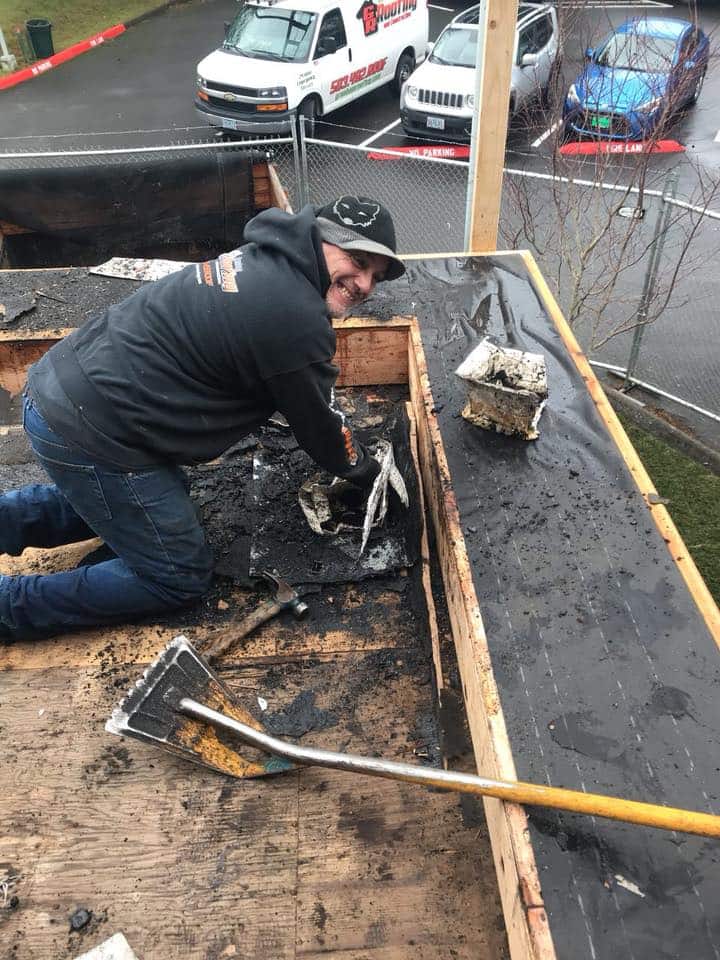
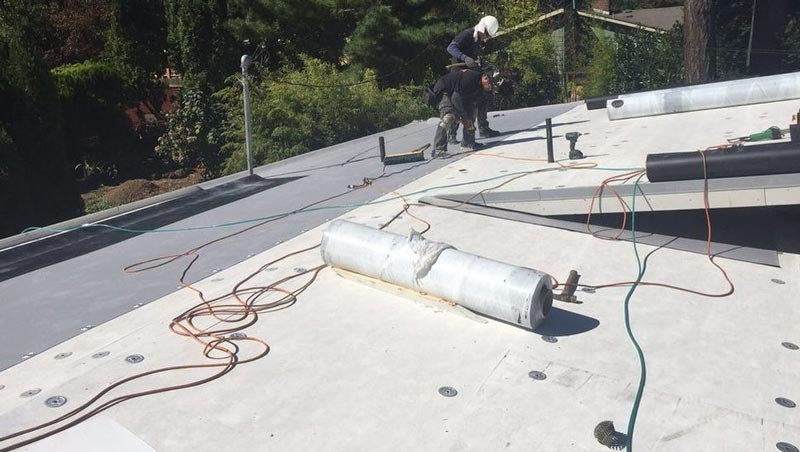
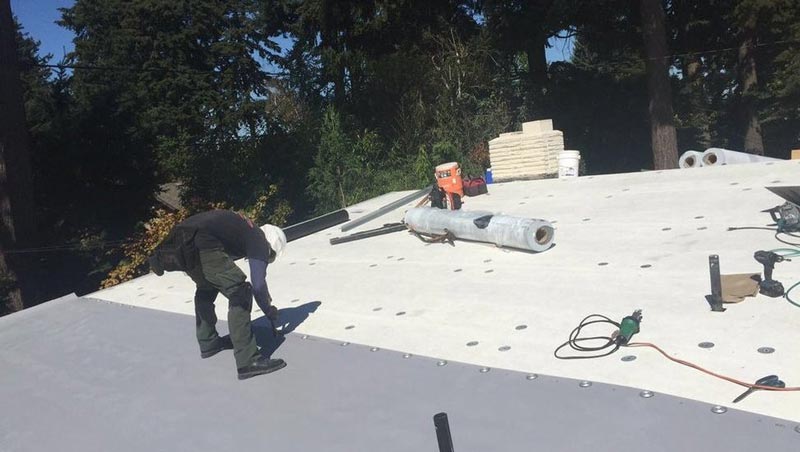
- Structure: Often involves low-slope or flat roofs.
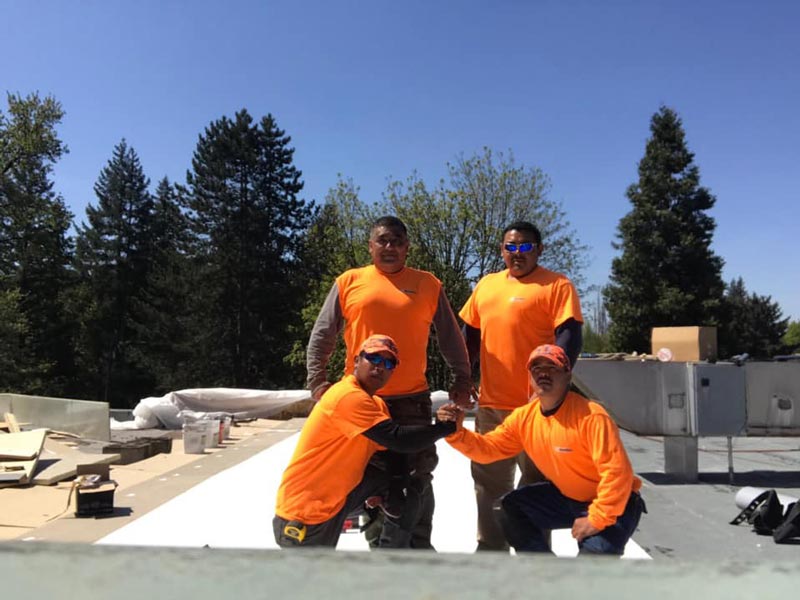
- Materials: Utilizes single-ply membranes like TPO, EPDM, or PVC, or built-up roofing (BUR) systems.
- Timeline: Can take significantly longer due to the sheer size of commercial buildings.
- Focus: Energy efficiency, durability against foot traffic (for HVAC maintenance), and minimal disruption to business operations are the main goals.
Secure Your Property With Gresham Roofing
A roof replacement is a major construction project, but it doesn’t have to be a headache. By understanding the steps involved, you can navigate the process with confidence, knowing that your property is being upgraded for the long term. If your roof is showing signs of age, or if you simply want a professional assessment, don’t wait for a leak to appear. Contact us today. Our local team is ready to guide you through every step of the process, ensuring your home or business stays dry and secure for decades to come.